

Sermons & Guides
Let’s grow together.
Join us live online.
Every Sunday at 10 am ET


Rejoicing Again: Finding Joy in the Grace of God
Romans 5 reveals the joyful reality of the Christian life flowing from God's grace. Because we have been justified by faith, we now have peace with God through Jesus Christ. Even suffering becomes a place where God forms endurance, character, and hope. Above all, believers rejoice because they are fully known, deeply loved, and eternally reconciled to God through Christ.
The Blessing Is the Relationship
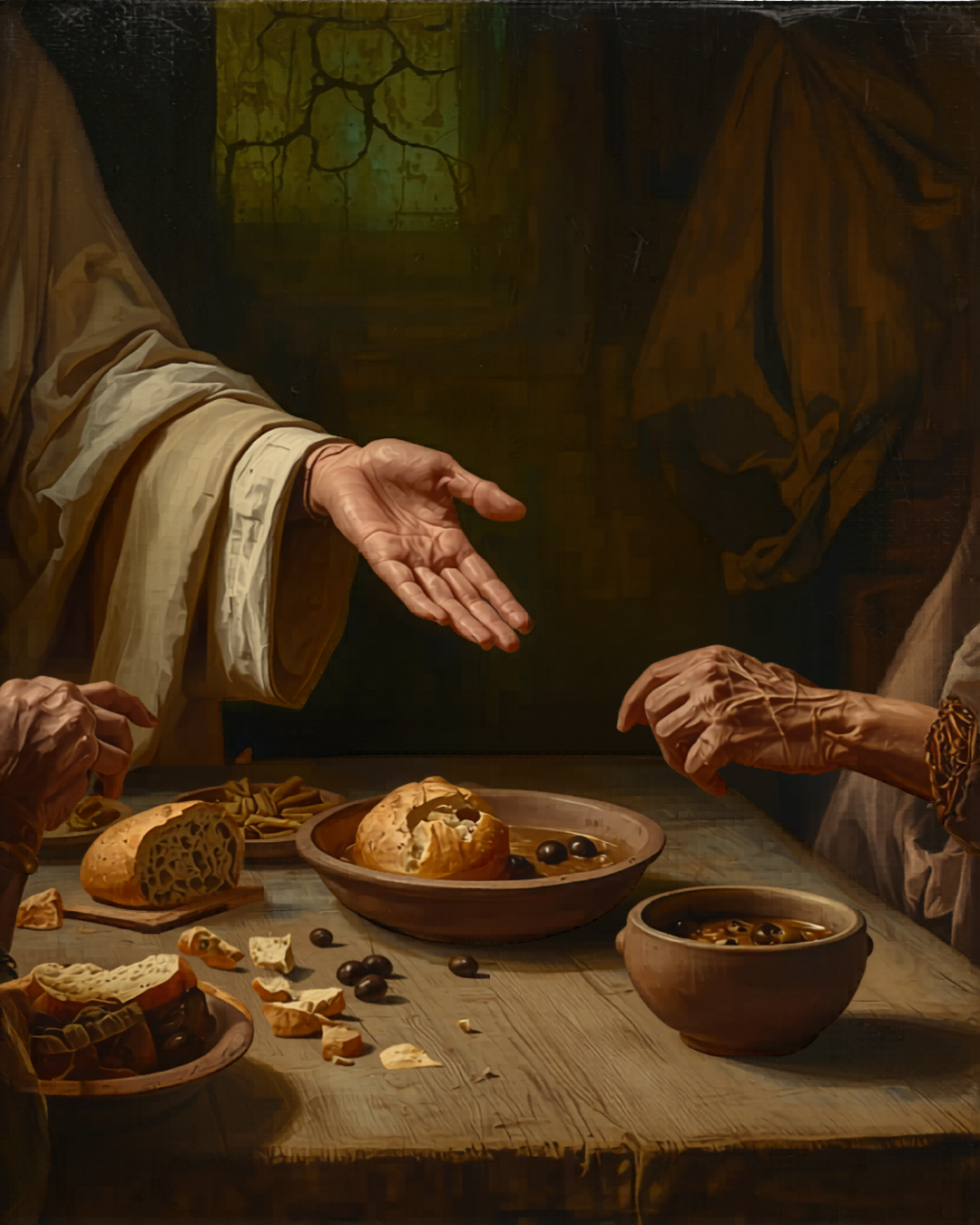
Many people approach God transactionally, assuming that if they perform the right religious actions, God is obligated to bless them. Through Hosea, God exposes the shallowness of a faith that relies on ritual while neglecting genuine love and knowledge of Him. Jesus reinforces this truth when He quotes Hosea to the Pharisees and welcomes sinners into fellowship with Himself. The great blessing of Christianity is not the benefits God gives but the relationship He offers through Christ.
Trinity Sunday: The Last Words That Send Us
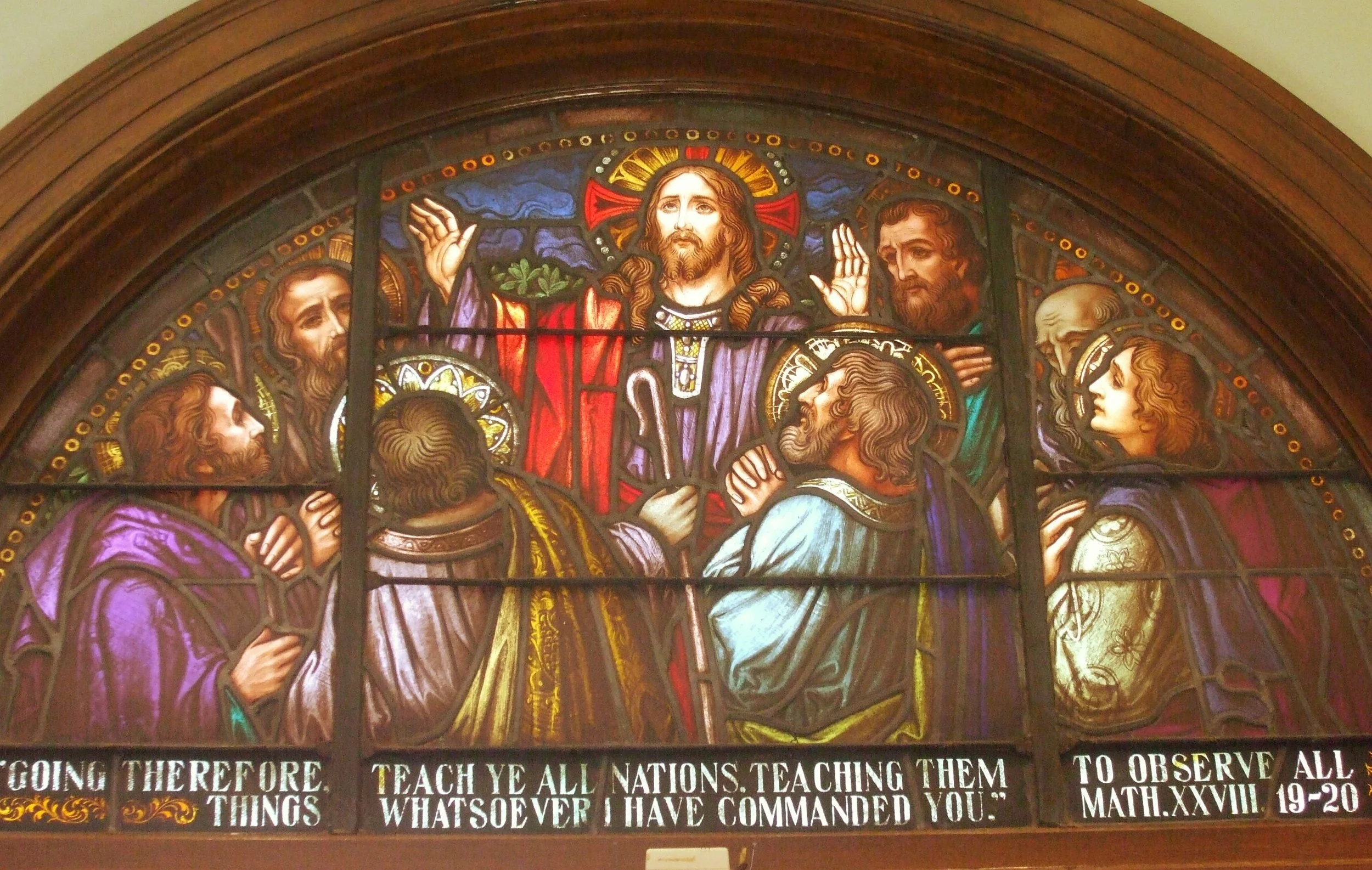
Jesus’ final words in Matthew’s Gospel are not merely instructions; they are a commission rooted in worship, authority, and presence. The disciples worship the risen Christ even while some wrestle with doubt, reminding us that faith and doubt often coexist. Jesus sends his people into the world under his authority to make disciples, baptize, and teach others to live in the ways of the kingdom. Trinity Sunday reminds the church that the story of Jesus now becomes the story of the church as we live out the kingdom in ordinary time.
Come Holy Spirit
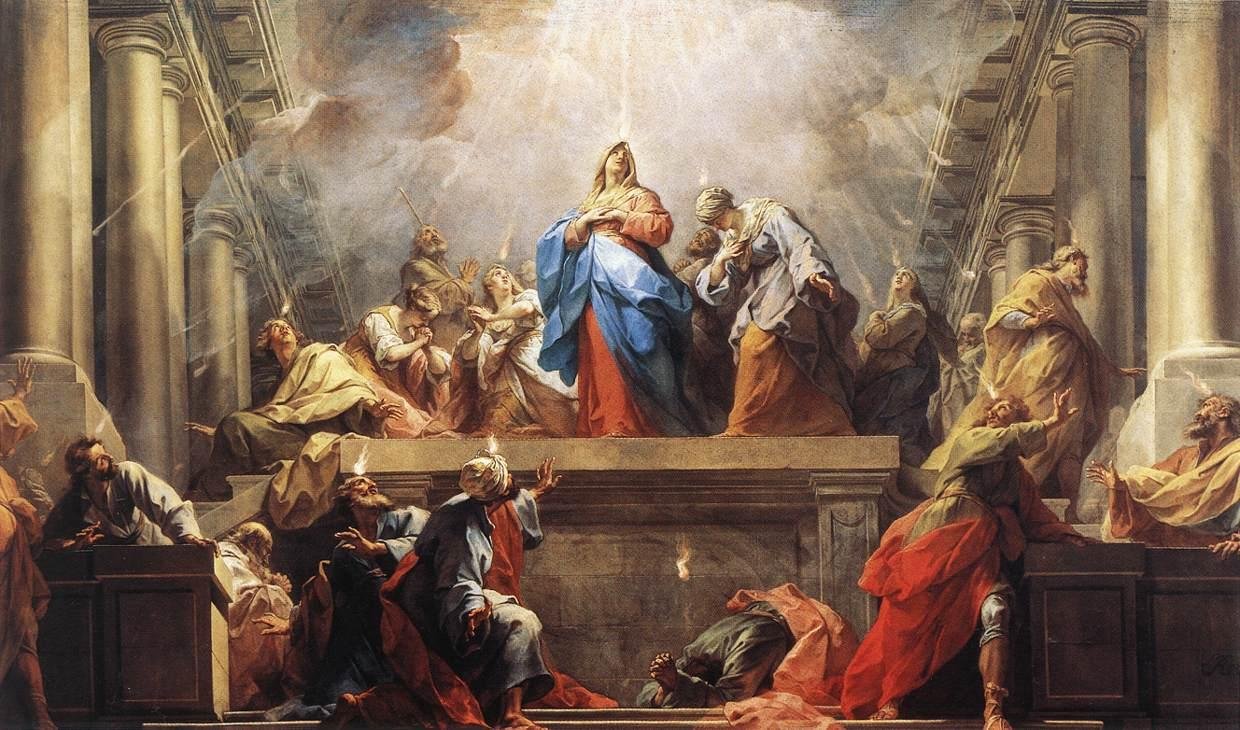
Pentecost celebrates the outpouring of the Holy Spirit fifty days after Passover, when God gathered the nations and filled believers with his presence. This sermon explores the identity of the Holy Spirit through the words “The,” “Holy,” and “Spirit,” revealing him as the unique and divine third person of the Trinity. The Holy Spirit’s primary work is to shine a spotlight on Jesus Christ and draw people into the kingdom of God. Because the Spirit dwells with believers and changes hearts, Christians can live with courage, pray boldly, and continually ask, “Come Holy Spirit.”
The Good Life in the Furnace
We all have a vision of the “good life,” but most definitions leave no room for suffering. Peter tells us not to be surprised by trials, but to see them as part of following Christ in a fallen world.
Suffering is not meaningless—it is often the result of a world shaped by choice, yet redeemed by Christ who entered into our pain. As believers, we entrust ourselves to God in suffering, allowing it to produce steadfastness, and we sustain one another through practices like singing truth together.
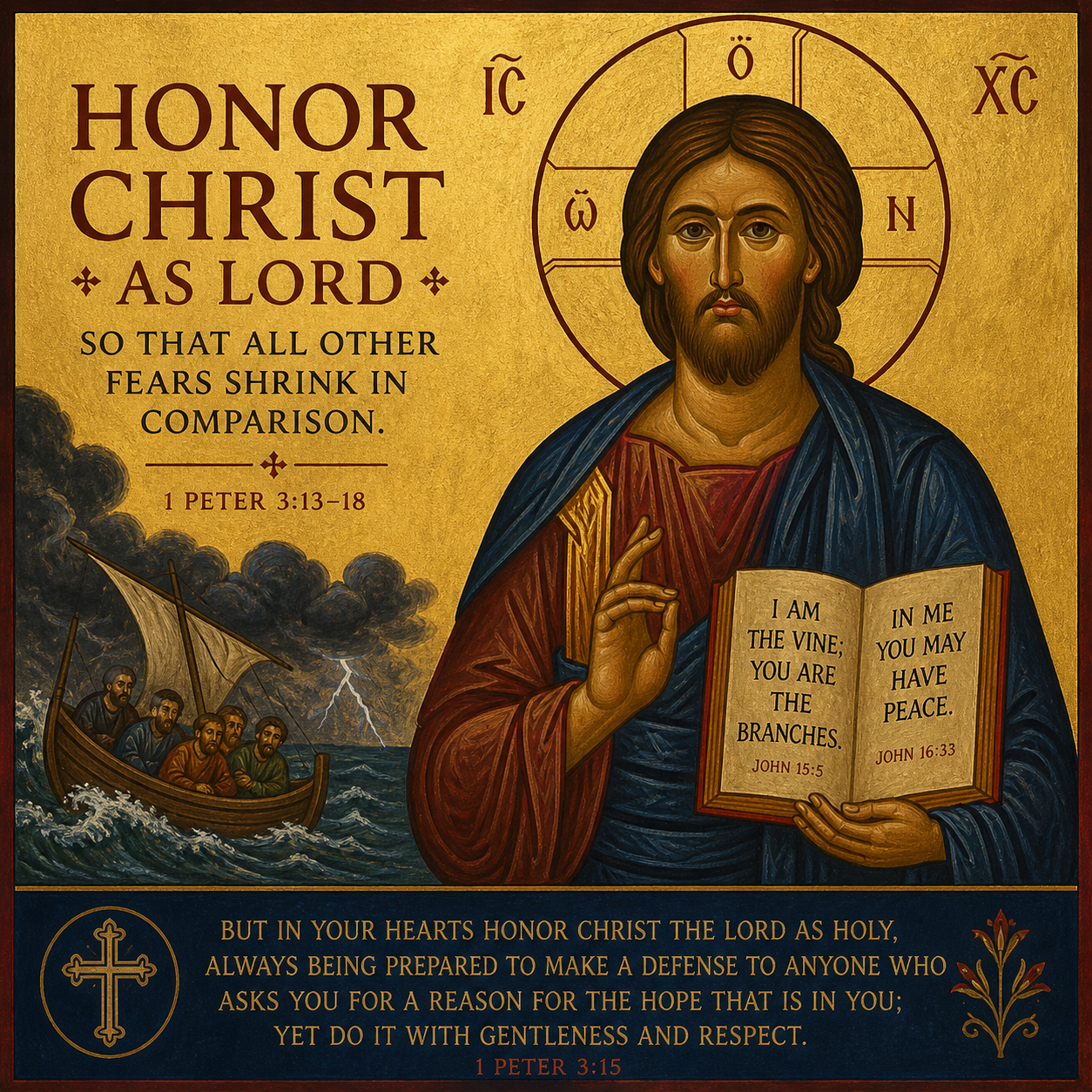
Honoring Christ in a Fearful World
Fear grows when it becomes the focus of our hearts, and simply trying to suppress it rarely works. Peter redirects us to something greater: honoring Christ as Lord so deeply that our fears lose their power. As we truly know Him, revere Him, and abide in Him, our lives begin to reflect a steady, hopeful courage. This kind of life becomes a compelling witness to the world, rooted in the finished work of Christ who suffered for us and overcame the world.
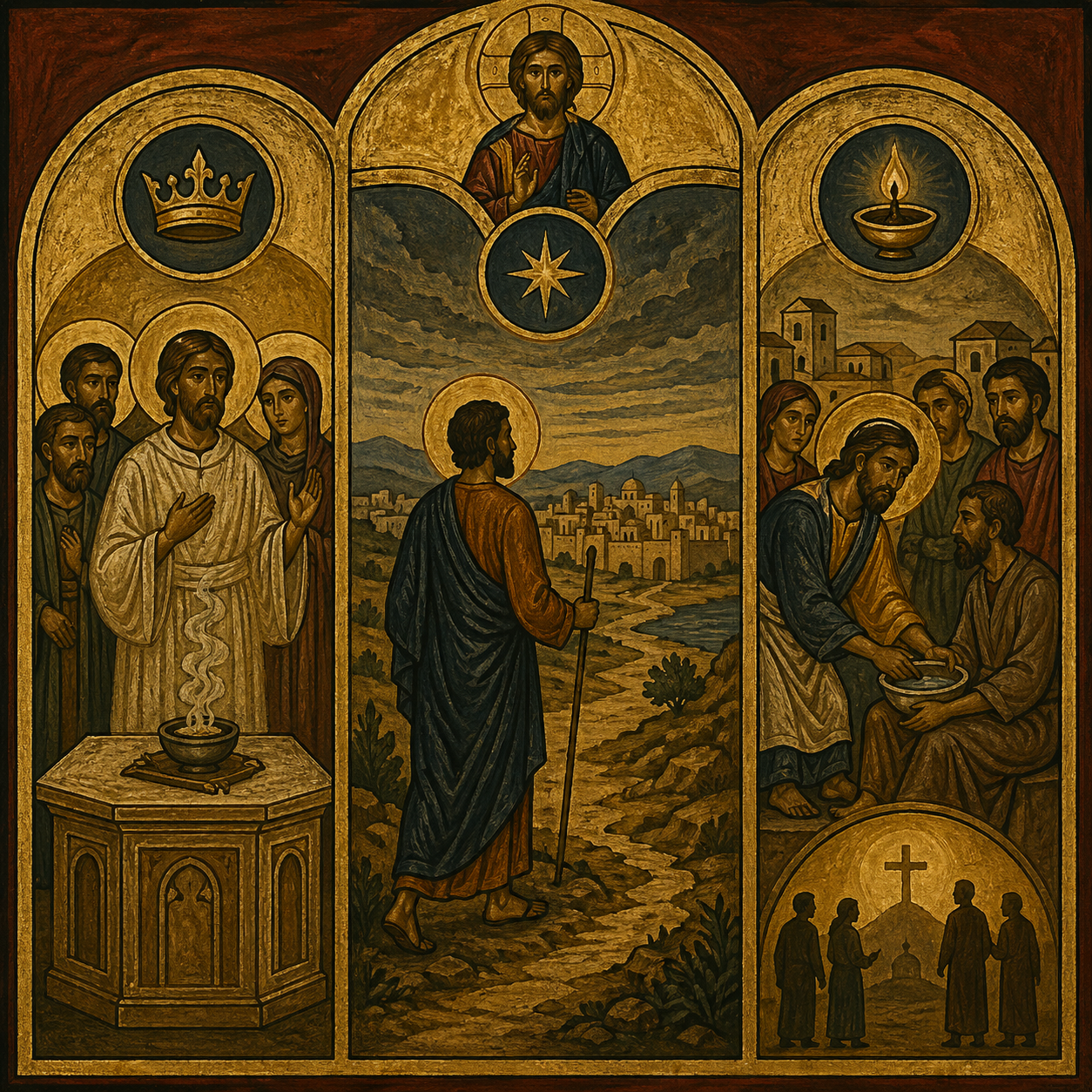
Kingdom People in a Foreign Land
Peter reminds believers that their identity is not rooted in culture, performance, or personal history, but in God’s choosing and Christ’s work. As followers of Jesus, we live as exiles—fully present in the world but ultimately belonging to another kingdom. This identity shapes our mission: to live distinct, honorable lives among others. Through everyday faithfulness, we become a visible witness to the goodness and glory of God.
The Aroma of Christ: Ordering Our Lives in a Disordered World
Peter calls Christians to live visibly distinct lives in a hostile culture by willingly ordering themselves under authority for the sake of Christ. This “submission” is not blind obedience but a gospel-shaped posture that reflects Jesus in every sphere—government, work, and marriage. Through doing good, enduring unjust suffering, and displaying inner holiness, believers silence criticism and point others to Christ. Ultimately, our lives are meant to carry the “aroma of Christ” so that the watching world is drawn to Him.
A Living Hope in an Anti-Culture World
We live in a cultural moment where faith is no longer assumed but questioned, yet this creates fertile ground for the gospel. Peter reminds us that our hope is rooted in what Christ has done (past) and what He will do (future), shaping how we live today. Holiness is not something we achieve to earn God’s love, but something we live out because we have been ransomed by Christ. The clearest expression of this transformed life is a deep, sincere love for one another.

Living Into Resurrection Joy
Easter is not just a day but a season—fifty days of living into resurrection joy. Peter shows us that the goal of the Christian life is a deep, inexpressible joy rooted in faith. That faith is refined and proven through trials, not apart from them. And the source of it all is God’s mercy, giving us new birth into a living hope through the resurrection of Jesus Christ.

Easter at Good Shepherd: From Seeking to Seeing
Human beings live in a constant state of imagining—hoping and fearing what might be. The resurrection meets us not in imagination but in reality, where grief is interrupted by the announcement that Christ is risen. The empty tomb confirms that the work of the cross is complete and that Jesus is alive. Now, the risen Christ goes before us, inviting us to seek Him, see Him, and worship Him.
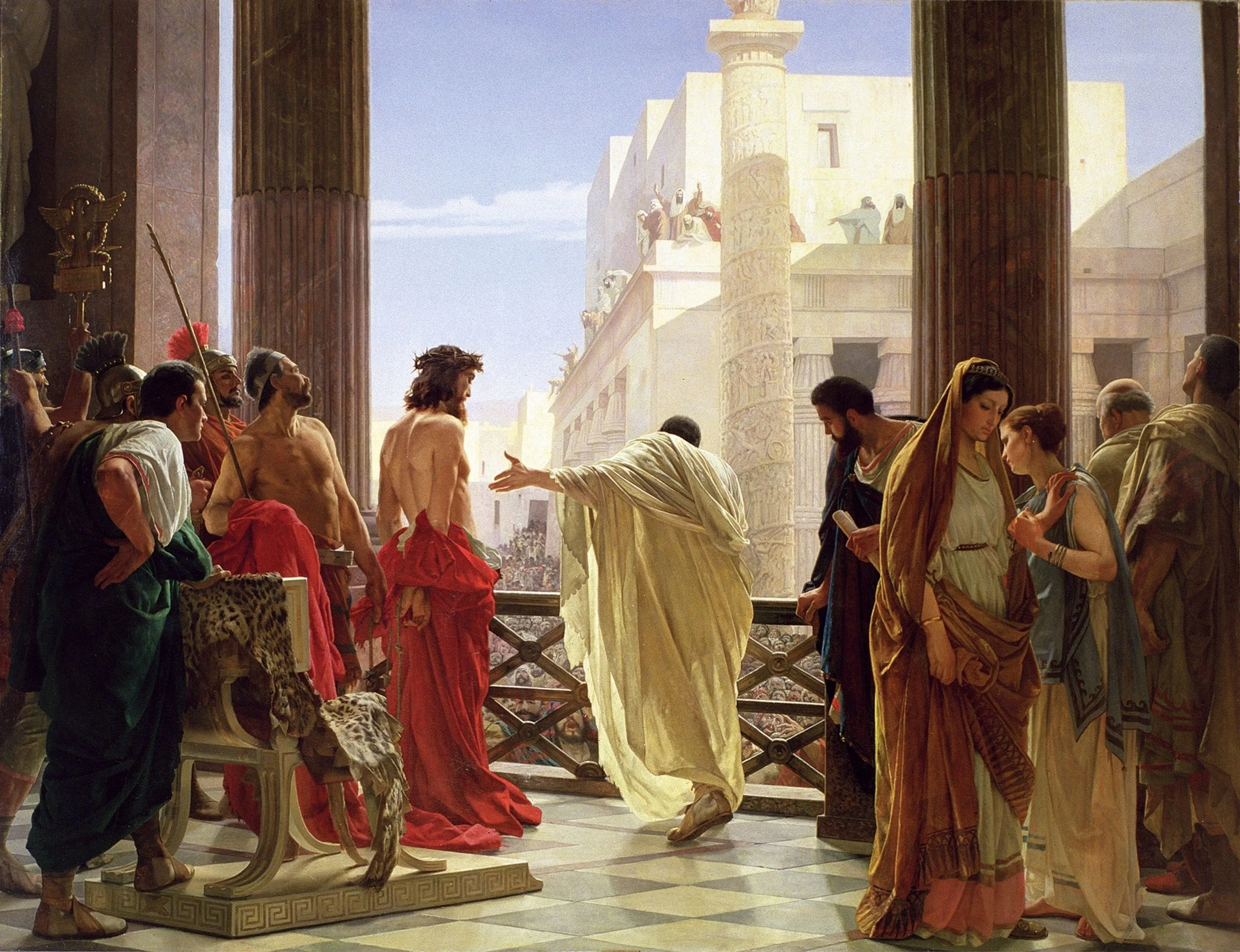
Good Friday: Crown, Cross, Cup, Cut
Good Friday appears anything but good, marked by suffering, rejection, and death. Yet through the crown, cross, cup, and cut, Jesus fully entered into human sin and bore the wrath of God in our place. His real death secured real atonement, accomplishing what no one else could. This day is good because through His death, we are restored, forgiven, and made alive.
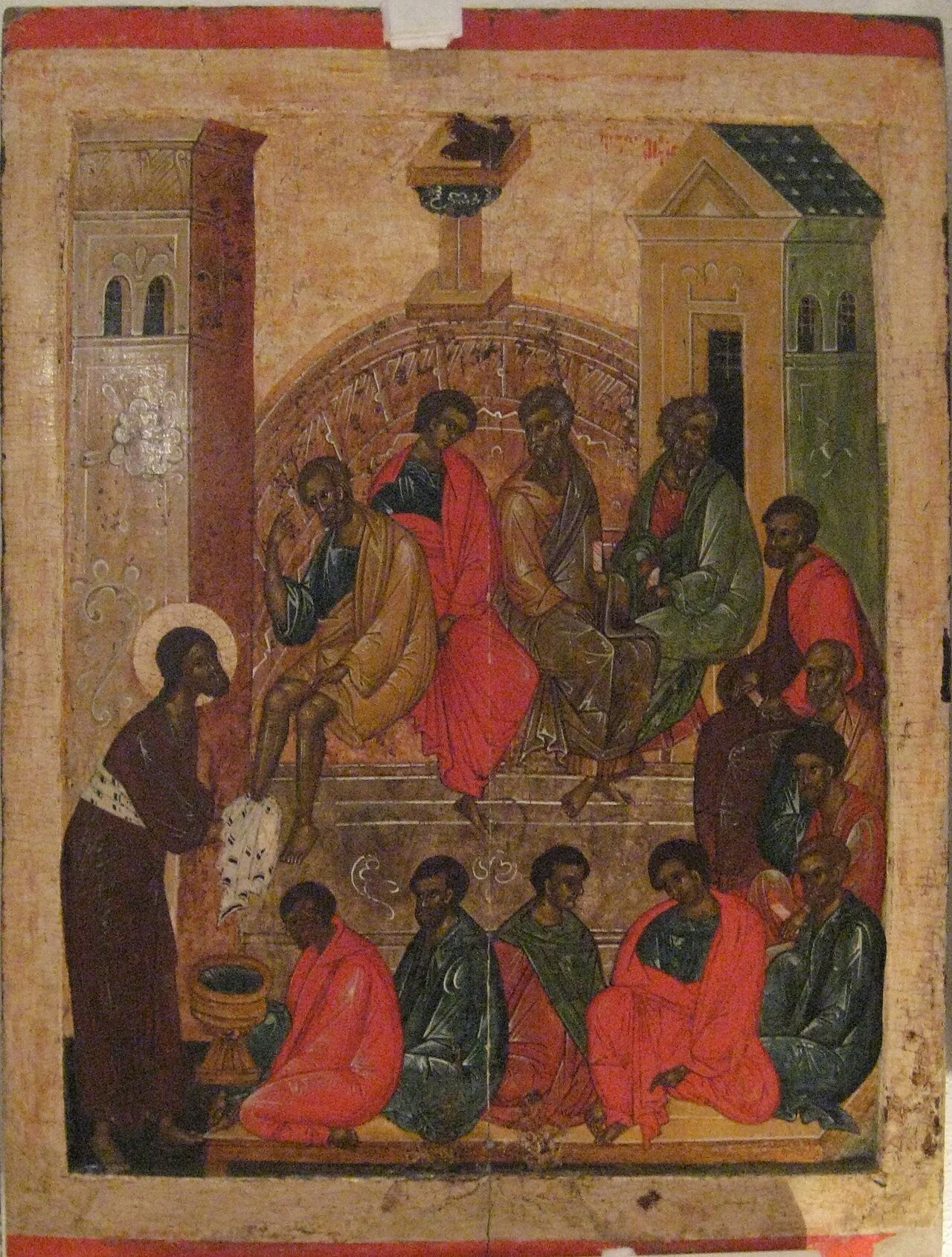
Maundy Thursday: Known By Love
On Maundy Thursday, Jesus redefines what His followers are to be known for—not power, noise, or position, but love. In full awareness of His coming suffering and betrayal, He chooses to wash His disciples’ feet, even the feet of Judas. Through this act, Jesus demonstrates that true love is sacrificial, humble, and extended even to the undeserving. He then commands His followers to live the same way, trusting that understanding will come as they walk in obedience.
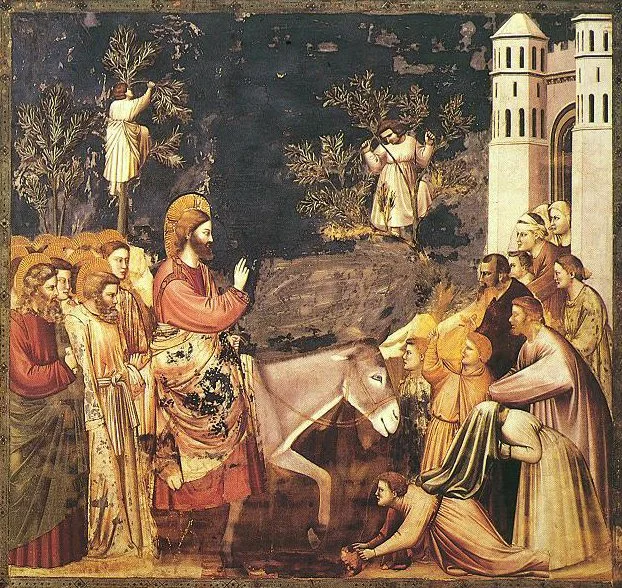
Two Responses to the King
When Jesus enters Jerusalem, two groups respond in radically different ways: the disciples worship, while the Pharisees resist. The difference is not what they saw, but whether they truly knew Him. An “outside-in” faith rooted in performance leads to exhaustion or pride, but an “inside-out” faith rooted in knowing Christ leads to worship and life. As Holy Week begins, we are invited not just to observe Jesus, but to know Him and walk with Him.
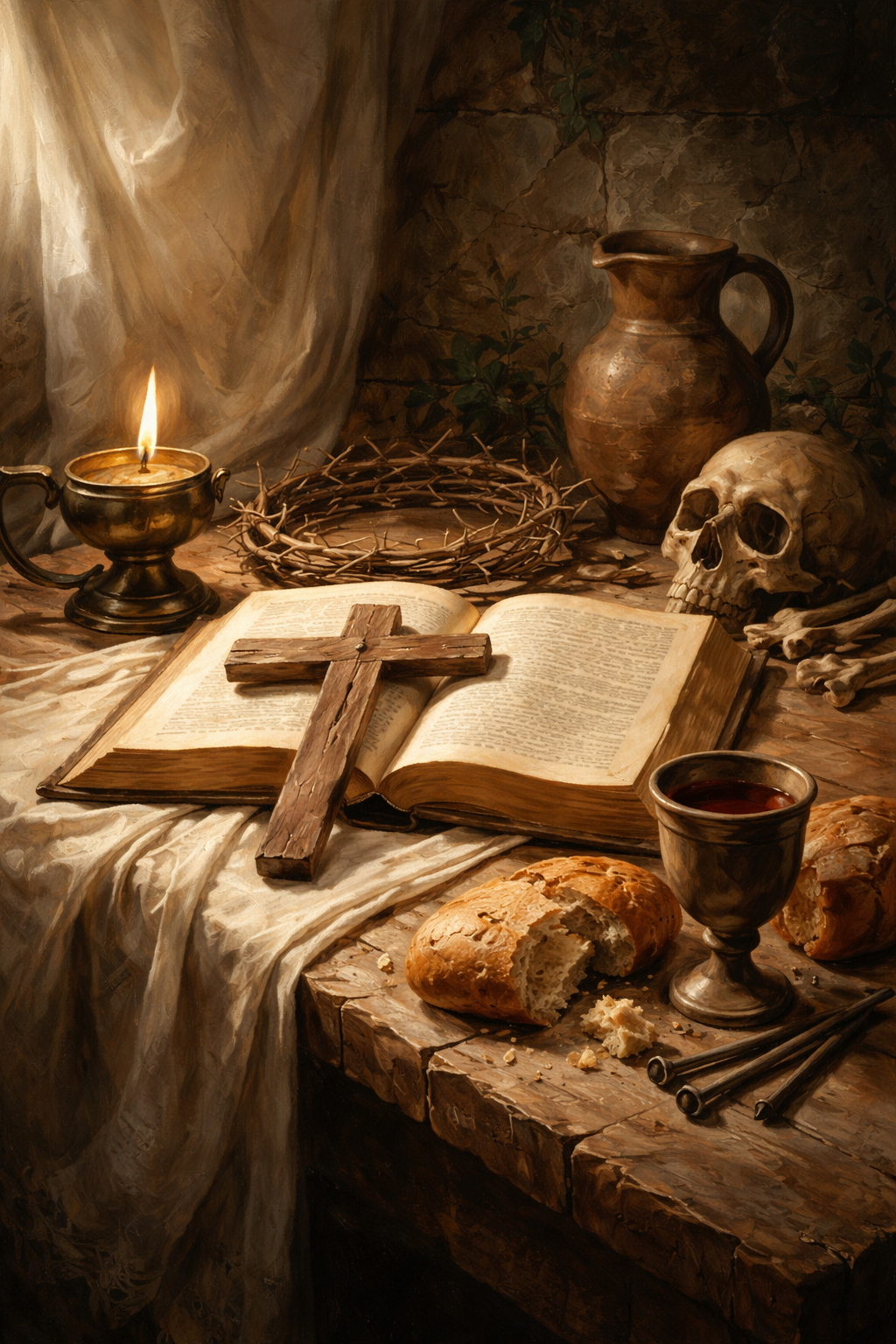
The Diagnosis and Prognosis of the Gospel
Before we can experience resurrection joy, we must first face an honest diagnosis: we are enslaved to sin and unable to save ourselves. God’s remedy is not advice but resurrection—His Word and Spirit bringing life to what is dead. Jesus Christ, the true and better Son of Man, stands over death and calls us into new life. As we enter Holy Week, we are invited to receive that life, be unbound, and walk in the freedom of the Spirit.
What Are You Seeking?
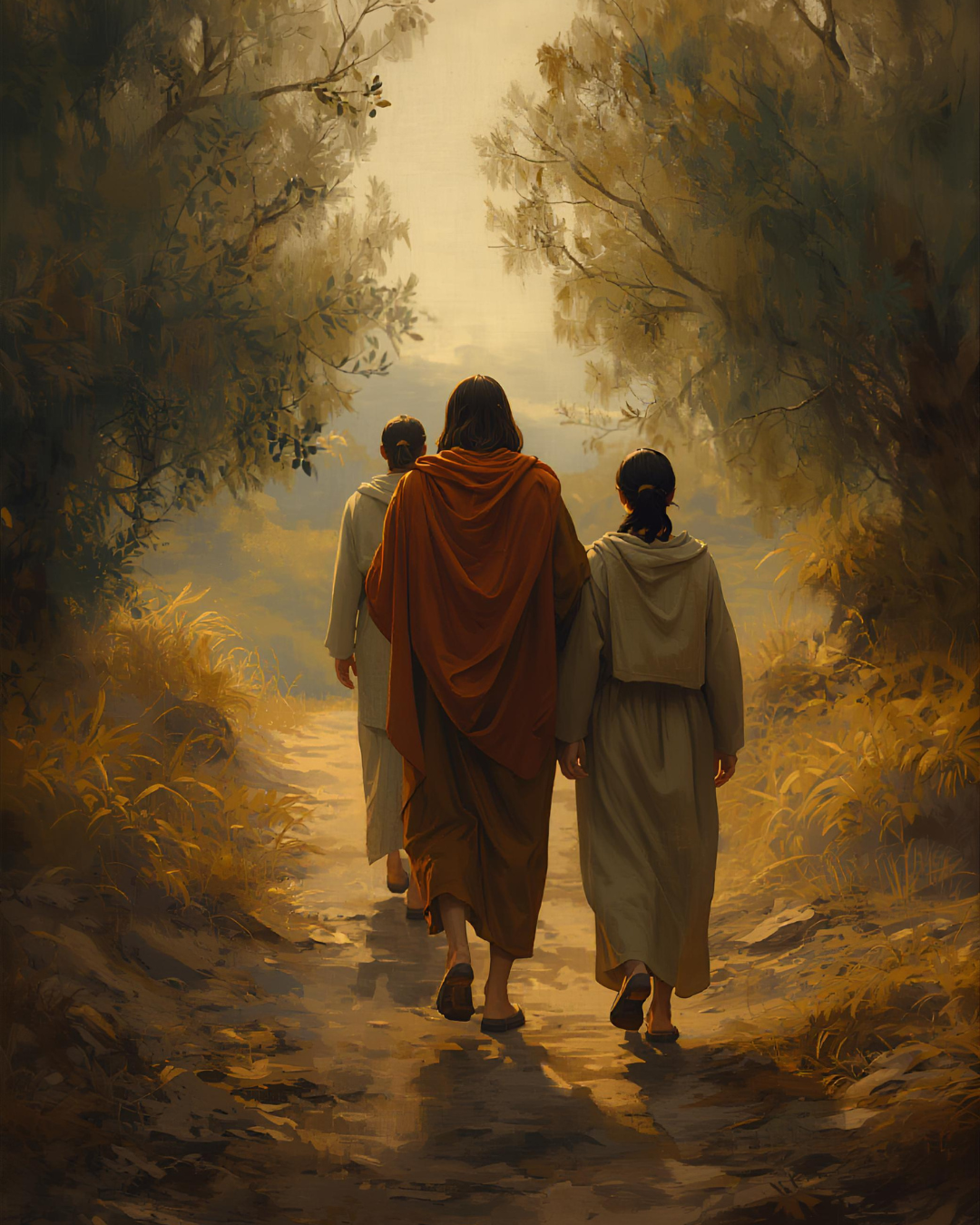
We often worry about the first impression we make, but in John’s Gospel we are confronted with the first impression Jesus makes. His first recorded words are not a greeting but a searching question: “What are you seeking?” That question exposes the deepest desires of our hearts and reveals what truly shapes our lives. The first disciples answer not with a request for blessings, but with a desire for presence — “Where are you staying?” — showing us that what satisfies the human heart is not a thing, but being with Christ Himself.
Faithful in Exile: Who Is God Calling Us to Be?
In Lent we ask, “Lord, who are you calling us to be in this season?” The exiled Israelites asked that same question in Babylon, and through Jeremiah 29:4–7, God gave them a surprising answer: stay, build, plant, multiply, seek the city’s good, and pray. Rather than isolate, they were called to root themselves in Scripture, presence, community, hospitality, prayer, and service. As we seek the welfare of Lake Norman, God shapes us into a faithful people.
Living as the “They”
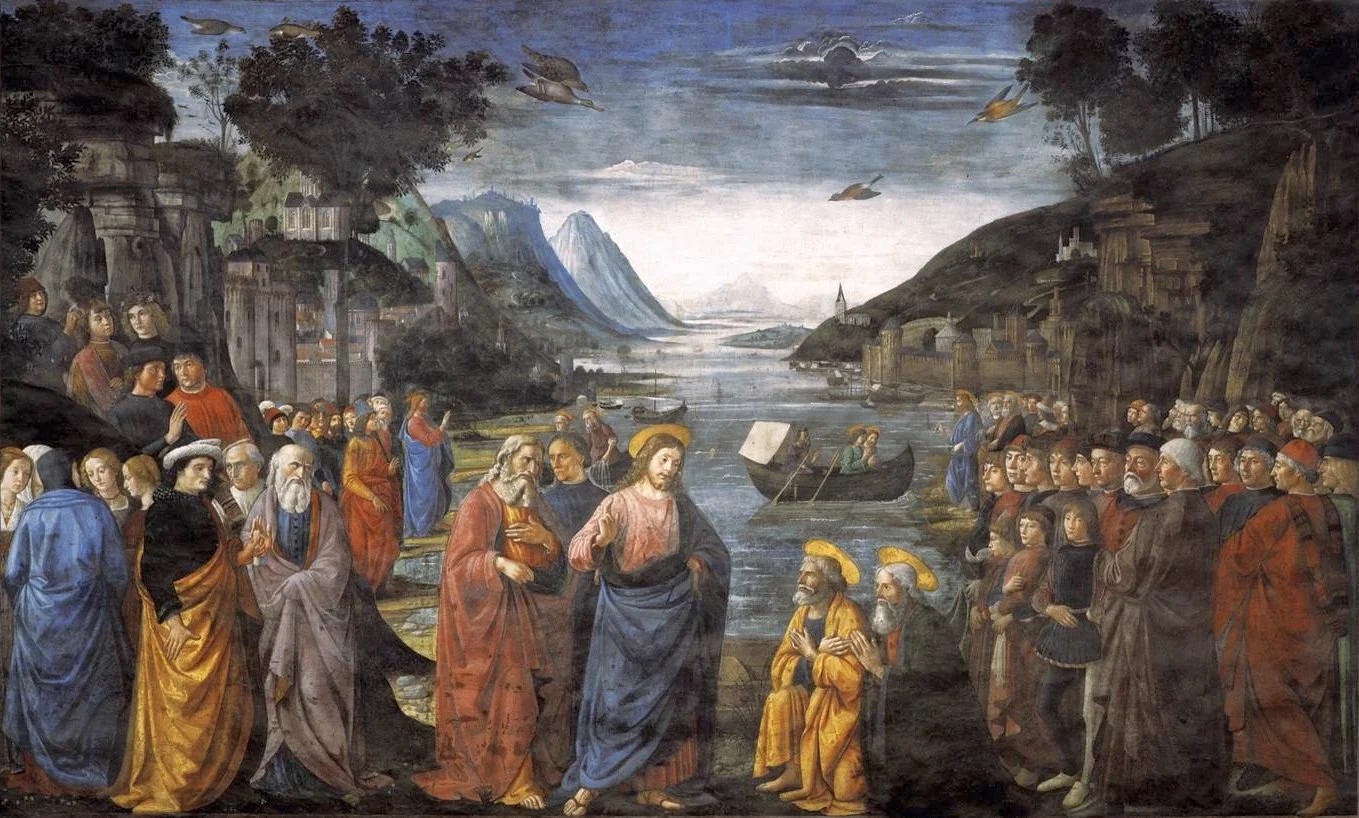
Lent is not a season of gloom but a journey shaped by its destination: the resurrection of Jesus. When Jesus reads Isaiah 61 in Luke 4, He declares that He is the Spirit-anointed Messiah bringing good news, freedom, and restoration. Yet Isaiah’s prophecy shifts from “me” to “they,” revealing that those filled with the same Spirit are called to continue His restorative work. This Lent, we are invited to receive the Spirit, remember the mission, and live visibly as the “they” who rebuild what is broken.
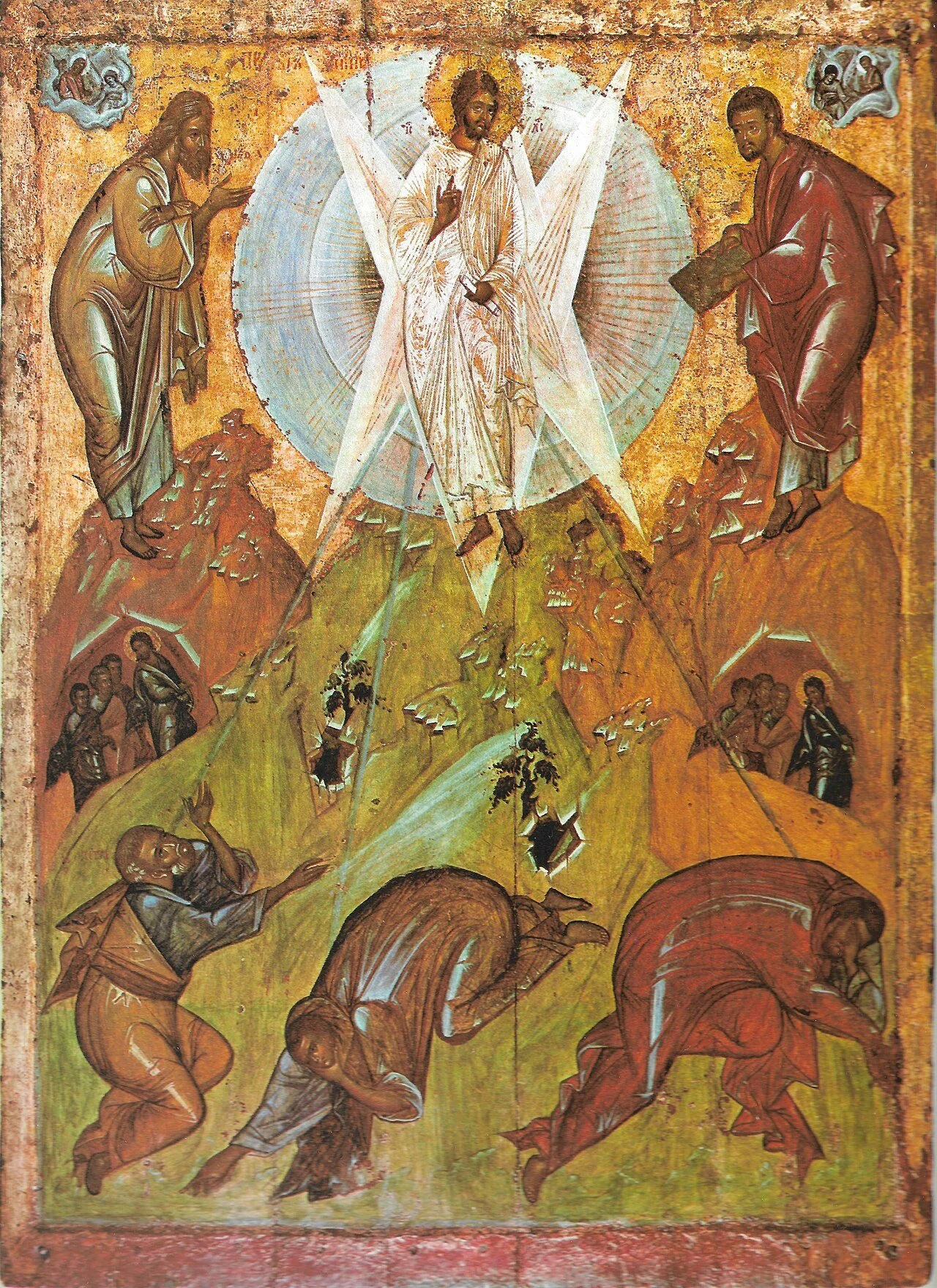
The Surpassing Worth
On this final Sunday of Epiphany, we see Jesus revealed in radiant glory at the Transfiguration and in the transformed life of Paul. Paul shows us what happens when someone truly sees Christ: everything else becomes loss compared to the surpassing worth of knowing Him. Because Christ has made us His own, we press on—forgetting what lies behind and straining toward what lies ahead. The call for every disciple is simple and lifelong: know Jesus.